
These frosty mornings in the fall remind me of gathering crops in the old days. The farmers always raced to get their corn crops cut before frost We always raised a big corn patch which served to feed not only us but the animals as well.
When the corn was ready to be cut it was cut stalk by stalk with a knife called a corn knife. The blades on a corn knife were straight or curved, on long and short handles The corn was cut about a foot from the ground and on a slant. The corn was then put it into shocks and in a couple weeks after it had dried out and was ready to shuck
To make a shock you left about four or five stalks standing and then used a corn knife to cut an armful and lay it on a piece of twine and then tie it up. The bunches were stood up in a circle that made the shock. Another piece of twine was tied very tight around the whole shock this kept it from blowing down.
After a couple weeks of being left to dry the shucking would begin. The wagon was pulled up alongside the shocks and when it was full it was pulled to the corn crib where it would be stored for feeding to the animals or for grinding to take to mill for cornmeal.
One year my dad had cut and shocked his corn. It was a full moon and he and his brother decided they would sit up all night and shuck corn. Of course, I am sure they had had a "little nip" or two. They were sitting shucking and talking and my mother decided she would see what they were up too so she walked out to the cornfield. My uncle saw her sneaking up on my dad and he started talking.
"Roy, Aren't you afraid of living out here in the country"?
My dad says," No. I am not afraid".
"Aren't there boogers and haints out here"
"There's no such thing as a booger or haint".
"What would you do if you saw something scary out here"?
"I've never seen anything I was scared of".
About that time my mother laid her hand on my dads shoulder . He threw his cornshucker, jumped over the fodder shock and took off running for the house while my uncle and mother roared with laughter.
It was springtime when they plowed the field for the next corn crop when he found his cornshucker.
That's it for today!
.

Tuesday, November 24, 2015

Monday, November 16, 2015
Old Time Remedies
My grandmother believed in a lot of herbs and medicines and had a cure for everything - even the common cold. She used Mullein tea for bronchitis, a mustard plaster for congestion, or a clove or two of garlic crushed and stirred into some warm milk. Now that may not cure your cold but it will sure scare the heck out of one.
To cure the sore throat you had to gargle with salt water and she always told me "drink a little bit, it'll help". A tall glass of liniment was always in order too. That'll stop your cough. We had this couple who used to come around about once a month selling Raleigh products . There was always a bottle of this liniment in the cupboard. Any time you got sick you were made to drink this vile tasting stuff. It must have worked because it is still on the market today.
Camphorated salve was another cure, my grandmother would grease my chest, the bottoms of my feet, dress me in my flannel nightgown and into bed underneath the big featherbed I would go. I dont know if it was the salve, the flannel or the heat but it always cured me.
A man went to see his doctor because he was suffering from a miserable cold. His doctor prescribed some pills, but they didn't help.On his next visit the doctor gave him a shot, but that didn't do any good.On his third visit the doctor told the man to go home and take a hot bath. As soon as he was finished bathing he was to throw open all the windows and stands in the draft."But doc," protested the patient, "if I do that, I'll get pneumonia.""I know," said the doctor. "I can cure pneumonia."
That's it for today!
To cure the sore throat you had to gargle with salt water and she always told me "drink a little bit, it'll help". A tall glass of liniment was always in order too. That'll stop your cough. We had this couple who used to come around about once a month selling Raleigh products . There was always a bottle of this liniment in the cupboard. Any time you got sick you were made to drink this vile tasting stuff. It must have worked because it is still on the market today.
Camphorated salve was another cure, my grandmother would grease my chest, the bottoms of my feet, dress me in my flannel nightgown and into bed underneath the big featherbed I would go. I dont know if it was the salve, the flannel or the heat but it always cured me.
A man went to see his doctor because he was suffering from a miserable cold. His doctor prescribed some pills, but they didn't help.On his next visit the doctor gave him a shot, but that didn't do any good.On his third visit the doctor told the man to go home and take a hot bath. As soon as he was finished bathing he was to throw open all the windows and stands in the draft."But doc," protested the patient, "if I do that, I'll get pneumonia.""I know," said the doctor. "I can cure pneumonia."
That's it for today!
Friday, November 13, 2015
Renewed Interest
My blog has been seriously neglected these past couple of years due to the full time running of a restaurant. Now that is all behind me, the restaurant has closed due to health reasons and I find myself with more time to devote to my writing.
I am continuing to write my stories of growing up such as making apple butter, churning buttermilk, making quilts and every day life of the 1950's and 60's.
I am also looking forward to devoting more time to traveling and seeing this great country of ours for as long as my health will permit.
Thank you to my long time readers (even when I was not here) I appreciate your friendship and support.
From the archives of my blogs here is the story of have I got my name.
On the morning I was born my father had gotten up early, grabbed his gun, a flour sack in which to carry his catch and set off to go squirrel hunting in the woods back of our place. He had been able to bag a squirrel and he carried it home in that sack.
When he came through the door, his mother rushed up to him and said, "Roy, you just had a brand new baby girl, what are you going to call her? He looked at the sack with the squirrel and looked at me and said, "Virginia Rose". That's the story of how I got my name from a sack of flour.
And in the words of my Father, That's it for Today,
I am continuing to write my stories of growing up such as making apple butter, churning buttermilk, making quilts and every day life of the 1950's and 60's.
I am also looking forward to devoting more time to traveling and seeing this great country of ours for as long as my health will permit.
Thank you to my long time readers (even when I was not here) I appreciate your friendship and support.
From the archives of my blogs here is the story of have I got my name.
A Squirrel, A Sack and A Name
I Grew up in the state of Tennessee, the county of Johnson, the city of Mountain City, and the hamlets of Dewey and Doe Valley. We lived way out in the country about five miles from town...
My story begins when I was born on a place called Shupetown Road. My paternal grandmother was a midwife. She was also a medicine woman and used a lot of herbs and old wives tales for practicing her doctoring. She was born and raised in a place called Old Butler which is under Watauga Lake today. In her midwifery duties she delivered or helped to deliver lots of babies including four of my siblings. Today it is not uncommon to run into people she delivered.
When he came through the door, his mother rushed up to him and said, "Roy, you just had a brand new baby girl, what are you going to call her? He looked at the sack with the squirrel and looked at me and said, "Virginia Rose". That's the story of how I got my name from a sack of flour.
And in the words of my Father, That's it for Today,
Saturday, June 27, 2015
So Here I Sit
It's three in the morning reminds me of an old Faron Young song "It's Four in the Morning" or a song written by Irving Berlin "Count your Blessings."
When I'm worried and I can't sleep
I count my blessings instead of sheep
I fall asleep counting my blessings
I count my blessings instead of sheep
I fall asleep counting my blessings
When my bankroll is getting small
I think of when I had none at all
I fall asleep counting my blessings
I think of when I had none at all
I fall asleep counting my blessings
I think about a nursery and I picture curly heads
And one by one I count them
As they slumber in their beds
And one by one I count them
As they slumber in their beds
If you're worried and you can't sleep
Just count your blessings instead of sheep
And you'll fall asleep counting your blessings
Just count your blessings instead of sheep
And you'll fall asleep counting your blessings
I think about a nursery and I picture curly heads
And one by one I count them
As they slumber in their beds
And one by one I count them
As they slumber in their beds
If you're worried and you can't sleep
Just count your blessings instead of sheep
And you'll fall asleep counting your blessings
Just count your blessings instead of sheep
And you'll fall asleep counting your blessings
Songwriter
IRVING BERLIN
IRVING BERLIN
Sunday, March 22, 2015
It's Been A Really Long Time
After a very long hiatus from blogging it is doubtful that there are any readers still out there, however, time marches on and people, places and circumstances change. In my absence here is a few things that have changed.
Instead of being a full time RVer as I had planned I am now a restauranteur. In the spring of 2012 there was a little store/deli in the area that had closed. At that time I thought about opening it but then decided I needed to do more front porch sitting and plans fell by the wayside and someone else opened it. I watched as the new owner had lots of business at first but then it declined and there seemed to be fewer and fewer cars as I passed by. Then one day the "closed permanently" sign went up. I jumped at the chance to re-open it. One of the things on my bucket list had been to open a restaurant of some type and here was my chance. With thousands of ideas floating around in my head I took the plunge but not without a lot of apprehension, determination and hard work.
 After a month of cleaning, fixing, painting etc. I was ready to open. Currently I have been open for almost one year. It has been one of the more rewarding experiences in my life.
Maybe with more practice and self determination I wil get back into blogging again!
That's it for today!
After a month of cleaning, fixing, painting etc. I was ready to open. Currently I have been open for almost one year. It has been one of the more rewarding experiences in my life.
Maybe with more practice and self determination I wil get back into blogging again!
That's it for today!

Wednesday, March 12, 2014
Saturday Pie
A Saturday afternoon spent baking with Grandma
Saturday afternoons would find my grandmother in the kitchen baking pies for Sunday dinner. She would go to the mealbox, grab her dough board, get out the flour, the rolling pin and a bowl she had stored in there. She would reach into the lard can for some lard and in no time flat she would have six or eight ...pie crusts ready for filling. Depending on the number of eggs she had or the type of fruit on hand would determine what kind of pies she would make.
In the spring it was always rhubarb pie, summertime we would have fresh peach or blackberry pie, and in the fall we could depend on apple or pumpkin. Along with fruit pies she always made lemon, chocolate, coconut or butterscotch. In the wintertime she would go to the cellar and we would have pies from fruit she had prepared in the summer.
She always had on hand lemon and coconut pie filling and dessert mix which she bought from the Rawleigh man. He was a traveling salesman who came around about once a month peddling a variety of Rawleigh products. She also bought liniment (both kinds), medicated ointment, vanilla, pie filling, and other products from him.
Along with a half dozen pies she might make a cake or two. She never needed to use a recipe because she had all those stored in her head. Most times we would get chocolate or yellow cake but when we were expecting company, she would make us an old-fashioned stack cake using apple butter as a filling between the six or seven flat cake layers. A lot of versions of stack cake recipes are still used today. Some families declare a stack cake making day and use that day as a family get together day for fellowshipping and fun and carrying on a tradition started by their forefathers.
One of my favorite recipes I dug from an old box of recipes is for an Old Fashioned Chocolate Pie so when you have a hankering for a pie like Grandma made you might want to try it.
Old Fashioned Chocolate Pie
Ingredients:
1 unbaked pie crust
1 cup sugar
π cup cornstarch
A pinch of salt
2 tablespoons of unsweetened baking cocoa
2 cups whole milk (In this recipe you can use 12 oz can of Carnation evaporated milk with enough water added to make 2 cups)
3 eggs, separated, reserve egg whites for meringue
1 tablespoon vanilla
2 tablespoons butter
Meringue Topping:
3 reserved egg whites
Dash of cream of tarter
2 tablespoons sugar
Directions:
Preheat oven to 350. Prick the bottom and sides of your pie crust and bake until golden brown. Remove from oven and let cool while you prepare the filling. Mix the sugar, cornstarch and cocoa together in a medium size pot. Add the 2 cups evaporated milk or whole milk. If using evaporated milk I use a 12 oz can, measure one cup evaporated milk, add to the pot and then measure one more cup evaporated milk. You will be a bit short, it comes to more like 3/4 cup so fill the rest of the measuring cup with water to make a cup. Using a wire whisk blend together and stir constantly over medium high heat. When the mixture is heated through add the 3 egg yolks. You will need to temper your egg yolks so add a bit of the pudding mixture to the egg yolks and blend before adding to the pudding mix. (You don't want scrambled eggs). Stir constantly until thickened and bubbly. Remove from heat and add the vanilla and the butter. Let pudding mixture cool while you prepare the meringue topping.
Meringue
Mix the 3 egg whites with a dash of cream of tarter along with 2 tablespoons sugar.
Whip the egg whites till stiff and soft peaks form. Add pudding to cooled pie shell and top with meringue making sure the meringue touches the sides of the pie crust to prevent shrinking.
Broil till lightly golden brown on top.
Saturday afternoons would find my grandmother in the kitchen baking pies for Sunday dinner. She would go to the mealbox, grab her dough board, get out the flour, the rolling pin and a bowl she had stored in there. She would reach into the lard can for some lard and in no time flat she would have six or eight ...pie crusts ready for filling. Depending on the number of eggs she had or the type of fruit on hand would determine what kind of pies she would make.
In the spring it was always rhubarb pie, summertime we would have fresh peach or blackberry pie, and in the fall we could depend on apple or pumpkin. Along with fruit pies she always made lemon, chocolate, coconut or butterscotch. In the wintertime she would go to the cellar and we would have pies from fruit she had prepared in the summer.
She always had on hand lemon and coconut pie filling and dessert mix which she bought from the Rawleigh man. He was a traveling salesman who came around about once a month peddling a variety of Rawleigh products. She also bought liniment (both kinds), medicated ointment, vanilla, pie filling, and other products from him.
Along with a half dozen pies she might make a cake or two. She never needed to use a recipe because she had all those stored in her head. Most times we would get chocolate or yellow cake but when we were expecting company, she would make us an old-fashioned stack cake using apple butter as a filling between the six or seven flat cake layers. A lot of versions of stack cake recipes are still used today. Some families declare a stack cake making day and use that day as a family get together day for fellowshipping and fun and carrying on a tradition started by their forefathers.
One of my favorite recipes I dug from an old box of recipes is for an Old Fashioned Chocolate Pie so when you have a hankering for a pie like Grandma made you might want to try it.
Old Fashioned Chocolate Pie
Ingredients:
1 unbaked pie crust
1 cup sugar
π cup cornstarch
A pinch of salt
2 tablespoons of unsweetened baking cocoa
2 cups whole milk (In this recipe you can use 12 oz can of Carnation evaporated milk with enough water added to make 2 cups)
3 eggs, separated, reserve egg whites for meringue
1 tablespoon vanilla
2 tablespoons butter
Meringue Topping:
3 reserved egg whites
Dash of cream of tarter
2 tablespoons sugar
Directions:
Preheat oven to 350. Prick the bottom and sides of your pie crust and bake until golden brown. Remove from oven and let cool while you prepare the filling. Mix the sugar, cornstarch and cocoa together in a medium size pot. Add the 2 cups evaporated milk or whole milk. If using evaporated milk I use a 12 oz can, measure one cup evaporated milk, add to the pot and then measure one more cup evaporated milk. You will be a bit short, it comes to more like 3/4 cup so fill the rest of the measuring cup with water to make a cup. Using a wire whisk blend together and stir constantly over medium high heat. When the mixture is heated through add the 3 egg yolks. You will need to temper your egg yolks so add a bit of the pudding mixture to the egg yolks and blend before adding to the pudding mix. (You don't want scrambled eggs). Stir constantly until thickened and bubbly. Remove from heat and add the vanilla and the butter. Let pudding mixture cool while you prepare the meringue topping.
Meringue
Mix the 3 egg whites with a dash of cream of tarter along with 2 tablespoons sugar.
Whip the egg whites till stiff and soft peaks form. Add pudding to cooled pie shell and top with meringue making sure the meringue touches the sides of the pie crust to prevent shrinking.
Broil till lightly golden brown on top.
Monday, February 17, 2014
Sulphured Apples - Preserving in the Past
In the fall when there was an abundance of apples some were canned, some were dried and some were made into pies. and some were sulphured.
Now you might ask, "What are sulphured apples"? Sulphured apples was just another way of preserving a bumper crop of apples instead of letting them go to waste.
In the cellar my Grandma had various sizes of crocks. She had a ten gallon one she made sour kraut in and one she kept pickled beans in and another crock she used just for sulphuring apples.
We got a lot of our apples from the big pound apple tree which sat in the field just past the barnyard. My Grandma would go and gather a couple buckets of apples and sit on the back porch in the shade topeel and quarter them. Then she would go to the cellar and get out her crock, wash it out with clear creek water and set the crock outside the cellar door because of the strong sulphur odor. She would then lay the apples in layers in the crock. On top of the apples she put a plate and an old pie tin with a couple tablespoons of sulphur in it. She would light the sulphur on fire and quickly cover it with an old oilcloth to keep the fumes from escaping. The apples had to be checked pretty often either to add sulphur and to stir the apples so they cooked evenly. When the apples had turned white and she had determined they had sulphured enough she would remove the remaining sulphur and the oilcloth and cover the crock with a clean white cloth.
When she wanted apples for supper she would remove what she needed from the crock and rinse them to get rid of the sulphur taste, put them in a skillet with butter and sugar and fry them until they were good and done. Those apples on top of a hot biscuit slathered with butter tasted just as fresh and delicious as though they had just been picked from the tree.
In our modern world when it comes to preserving food we should try to hang onto some of the old customs and ways of our forefathers but all that hard work and sulphured apples are things of the past.
Tuesday, December 3, 2013
Dewey School Reunion a Huge Success
Stories were a flyin' at the Dewey School Reunion
as alumni gathered together for an afternoon of renewing old
acquaintenances. The oldest person
attending being 91 years of ager and the youngest 67.


The earliest school anyone can recollect was
built on the old Blaine Cole Farm in Doe Valley. The students from Swift Hollow had to walk
through a place called The Bee Cove - a distance of two to three miles. Food for the whole family was carried to school in an old lard bucket. Lunch usually consisted of a ham biscuit or
a piece of cornbread spread with
molasses. The area was becoming more
popular and a decision was made to build a new school in the Dewey
Community. It was named for the
Community and was called the Dewey School.
The first Dewey School was up Swift Hollow and sat up on the bank about
a quarter mile up the hollow from the main road (Highway 67). It was used for years until one day the
teacher made a couple of the boys mad.
They sneaked back to the school in the middle of the night and stuck
some paper into a knothole in one of the boards and set it afire burning down
the school. The rest of that school
year the Dewey School students had to walk to the Doe Valley School. A new two room school was built and located
at the corner of Highway 67 and Swift Hollow Road where the present day Dewey
Christian Church stands. As near as any
one an remember it was built in 1935 or 1936 and continued in operation until
1952 when Doe School was built . Several
schools were consolidated to the new Doe School, Butler, Doeville, Doe Valley
and Dewey.
The new school consisted of two rooms. Both rooms were actually the same size but
were known as the Big Room and the Little Room for the "big kids" and
the "little kids". There were
four grades in each room. Some grades
had five or six students while others had two or three. Heavy wooden doors separated the two
rooms. When there was something special
going on the doors were pushed back into one big room.
Each room had its own small room we called a
cloak room where we hung our coats and boots.
In the front there was also a kitchen where the school cooks, Ms. Winnie
and Ms. Hazel prepared our lunch. There was no running water at the school so
water had to be carried from the creek or from the well up on the main
road. A bucket full of water and a
dipper sat on a small table and we all drank out of the same dipper.
The potbellied stove sat in the little room near
the door. When it was cold the teacher
would gather the class full of students around the stove to do their
lessons. One day one of the boys threw a
handful of firecrackers into the stove.
Pandemonium reigned until they all exploded and everything was settled
back down.
There was a belfry with a big old bell which was
rang by the principal when it was time to take up, recess, lunch and when
school was over for the day. I remember
asking him once if I could ring the bell.
He told me if I did that I would be sucked up into the belfry and never
come down.
There were no bathrooms. There was an outhouse with a dirt floor on
each side of the school - one for the boys and one for the girls. It worked out just fine until one day we had
a tornado touch down and destroyed the boys outhouse. After that we had one common outhouse.
At the end of the day the boys would go to the
coal shed to bring in the coal, wood, and kindling for the next day. Others would shake the erasers against the
side of the coal shed. We girls had to
sweep the oily dirty floor.
After sharing a meal, and doing some visiting
class members shared their recollections of their time at Dewey School.
There were lots of "outhouse
stories" One class member
remembered learning to smoke in the outhouse.
She related one of the older boys had a job working at Charlie's
Grill. He always had a little money and
was able to buy tobacco and papers for "roll your own" cigarettes.
He kept them in his coat pocket.
Some of the girls wanted to learn to smoke and would ask for permission
to go to the outdoor toilet. They would
go to the cloakroom and wear his coat to the toilet thus giving them a chance
to practice their smoking. One lady told
of the big turkey gobbler that lived close to the school. That big ol' gobbler would chase her every
time she went to the outhouse.
Another classmate stated school lunches in those
days only cost 15 cents but he didn't have lunch money so he would run the
quarter of mile or so to his Granny's because he knew she would have a big bowl
of soupbeans and cornbread on the table.
He would hurry and eat and run all the way back to school so he would
have time to play ball before the lunch hour was over.
Most of the students walked to school, one lady
said, "we lived back up in the
holler-way back up in there and there wasn't another soul in that
holler". When it would snow
someone would come with an old truck and break the snow so they would be able
to walk out to school. Another classmate
remembered they would see her and her brothers coming down the road and invite
them in to warm up by the stove before they continued their journey to
school. In the afternoons they would
walk back the same way stopping to warm themselves before they walked on home.
One fellow told of walking to school every day
and it was "uphill both ways".
Finally, one of the men in the community was able to get hold of an old
panel truck that had benches along each side and the back. The man driving the "bus" would go up and down each holler, Stout Holler, Shupetown,
Pleasant Valley, Harbin Hill, and along the highway picking up kids. Once in awhile some of the boys would get in
a fight on the bus and the driver would stop and make them get off the bus and
"fight it out right there" in
the middle of the road. When they had
settled their differences they would get back on the bus and continue on their
way. Children today don't know how lucky
they are to have a bus come right to their door and take them to school.
Another classmate remembered when she was six she
should have started school . She said
her dad would whip her and make her go.
She would cry all the way to school.
The little neighbor boy wasn't old enough to start yet and she didn't
want to go to school without him. After
about three weeks of her crying every day she got to stay at home and the next
year her and the neighbor boy went to school together. They actually went all twelve years together,
four at Dewey, four at Doe School and four at JCHS.
Another fellow told of being pushed into the icy
cold creek in the middle of winter and how he had to sit all day with his wet
britches on. He said he could have
walked home to get a dry pair but it wouldn't have mattered he would have had
to wear them anyway since he only owned one pair of britches.
Fond memories of the teachers were remembered,
among them John A.. Shoun, R. Clyde
Wilson, Ms. Hazel Wilson, Mrs. Rena Shoun, Madge Nave, who taught there in the
forties, Haggai Miller (pronounced Hagy-I) and others.
Our cook Ms. Winnie Wilson, was remembered for
her scrumptious peanut butter cookies and her big bowls of soup on Friday. Someone else remembered her carrying water to
cook with and how she fed us like kings.
One of the girls didn't like to drink milk so Ms. Winnie would give her
chocolate milk to drink.
Someone told of how teacher, Haggai Miller used to have a saying
he always said, "Idleness always
causes trouble", which still stands true today. Another told of how Haggai used to send him
to get a willow switch to whip him
with. He came back with a small switch
so Haggai sent his good friend out to get a switch. The friend came back with a
willow switch about six feet long. He
said by the time the teacher got through whipping him it was just a little
stick.
Memories of Mrs. Rena Shoun were told and how she
spoiled us. One man related when we had
to move from the two room school to the big consolidated Doe School upon the
hill he was in the third grade. He said
he thought he had quit school and gone straight to the penitentiary. “The teacher paddled me every day”, he said. “I thought she was the meanest teacher that
ever walked the face of the earth”. It
was an adjustment for all of us going from the small school to the new Doe
School. It was not only was a much
bigger school, there was a room for
every grade and lots of kids we had never seen before. We had drinking fountains and toilets that
flushed. There were showers in the
bathrooms, most of us had never seen a shower before. There was no bell to ring and no erasers to
dust and no more going to the outhouse.
At the end of the reunion many of the members
sported new Tee shirts designed by classmate Charles Winstead of Griffin
Georgia.
It was a spectacular fall day, with lots of
food, laughs, fun and fellowship. The
memories of that little two room school will forever be etched in our minds.
The next reunion will be held in October 2014.
That's it for today.
Thursday, November 21, 2013
Gathering Wood for the Winter
I have always felt that I was lucky to have grown up in the fifties. In some ways we were a lot luckier than the kids of today. We lived out on the farm about three miles from town without running water and indoor plumbing. We had no central air conditioning or heating system. Electricity was considered a luxury and was only used when necessary. Most of our food was grown on the farm. Tobacco was the big cash crop. We kids were expected to help out on the farm doing all kinds of chores gathering eggs, pulling weeds to feed the hogs, and helping to feed and milk the cow.
Since wood was our only heat source gathering enough wood to keep warm in the winter was a priority in the fall. Winter called for a constant demand for fire wood and getting the long poles of wood from the mountains was hard work. In the early 1900's the chestnut trees on the east coast of the United States had suffered from what was called the Chestnut Blight. It was a fungus that was spread through the air, raindrops and animals. It spread on the bark of the tree eventually killing the trees. The dead chestnut trees made good firewood to use in the fireplace or the "Old Buckeye" stove that sat in the front room. In the thirties and forties you could get a harvesting permit from the government to use the dead and downed chestnut trees for firewood. Using the permit you were not allowed to cut anything that was green except for maybe a small sapling to use as a springpole. In the fall my granddad would hitch up the horses to the wagon and go into the mountains to gather enough wood to last for the winter. It would take several loads of wood to do the winter. About once a month he would take the wagon and collect smaller wood to use in the cookstove. After the wood was brought to the house and piled up he used a crosscut saw or a buck saw to saw it into smaller pieces. By the early fifties most of the dead chestnut trees had been harvested and sawmills offered truck loads of ends and pieces of slab wood . That was a much easier way of gathering wood but it still had to be split and ricked and handled more than once. A truck load of slabwood cost around $7.00 and a ton of coal cost around $10.
One of our chores was to gather in enough wood and coal to keep us warm at night and also to burn in the wood cookstove. Every afternoon after school we would change into our old clothes and head to the woodshed. We had an old wagon and we would fill the wagon full and pull it up to the kitchen door and transfer the wood and kindling to the woodbox that set by the cookstove. Again we would fill the wagon with larger pieces for the heating stove in the front room and carry in two buckets of coal. That was enough to last until the next day when we would repeat the process. Sometimes we tried to get away with bringing in only a small amount of wood. It never worked. We would be sent back to the woodshed for another armload.
The heating stove in the front room kept that room warm but the bedrooms were always cold. At night we would take the flat irons and set them on the stove to get them good and hot. We would then wrap them in an old towel and put them at the bottom of the bed to keep our feet warm. The irons would sometimes stay warm all night. It worked great but you had to make sure the iron was covered good so you didn't burn your toes.
Thinking about those cold bedrooms on a winter's night is just a memory - now if my feet get cold at night I just turn up the electric blanket.
Wednesday, April 10, 2013
Winter's Not Over 'til it's Over
In the springtime here in the northeastern corner of Tennessee we see a lot of different changes in the weather. Somedays it is warm and the ground begins to thaw, then it might be so hot you think summer is upon us. The next few days we might get a cold snap with rain, snow, sleet and lots of wind. The oldtimers predicted the changing of spring by the blooming trees and the different types of winters as they called them.
After the January thaw and the groundhog has seen his shadow the ground begins to thaw a little the winters begin.
Beginning with the first few warm days as the ground begin to thaw the serviceberry (Sarvisberry) trees would be the first to bloom. This would be called Sarvis Winter and to the old timers, meant the return of the circuit riding preacher. After the long long winter the ground would be thawed enough to have funerals and bury the dead. The snow white blooms of the serviceberry trees would be used to honor the dead at the "church sarvices" Thus the name Sarvis Winter.
If there was a cold snap when the Locust trees were in bloom it would be called Locust Winter. It usually isn't very long or cold.
For example it could be snowing in the morning and record breaking temperatures by afternoon.
The next tree to bloom was the redbud. If the weather turns cold while the redbuds are in bloom it is called Redbud Winter.Only the hardiest crops would be planted before this cold spell.
Dogwood Winter comes after a few days of warm weather and brings several days of cold, weather and the possibility of a killing frost. Planting the tender crops should wait until after the Dogwood has bloomed. Oldtimers sometimes used the blooming of the Dogwood as a sign to plant their corn.
Blackberry Winter is probably the most widely know of the winters. The oldtimers knew that the blackberry canes needed a cold snap to set the buds, so the cold snap during the blackberry blooming was called Blackberry Winter. Blackberry Winter is normally not as harsh as some of the other winters. The soil is warmer and drier now so tender crops could be planted without much danger of being frostbitten.
Linsey-Woolsey Britches Winter is the winter only the oldtimers heard about. That was back in the day when they wore homespun clothing and it was when you could shed your "long johns" for cooler, lighter clothing.
Whiporwill Winter is the last little cold snap we get after the Whipporwill has migrated north from Mexico. Its that last surge of arctic air. It's not as cold and doesn't last long or do much as much damage as some of the other winters.
After a long hard winter and spring with all the cold snaps summer can't be that far away---or can it?

That's it for today!!
After the January thaw and the groundhog has seen his shadow the ground begins to thaw a little the winters begin.
Beginning with the first few warm days as the ground begin to thaw the serviceberry (Sarvisberry) trees would be the first to bloom. This would be called Sarvis Winter and to the old timers, meant the return of the circuit riding preacher. After the long long winter the ground would be thawed enough to have funerals and bury the dead. The snow white blooms of the serviceberry trees would be used to honor the dead at the "church sarvices" Thus the name Sarvis Winter.
If there was a cold snap when the Locust trees were in bloom it would be called Locust Winter. It usually isn't very long or cold.
For example it could be snowing in the morning and record breaking temperatures by afternoon.
The next tree to bloom was the redbud. If the weather turns cold while the redbuds are in bloom it is called Redbud Winter.Only the hardiest crops would be planted before this cold spell.
Dogwood Winter comes after a few days of warm weather and brings several days of cold, weather and the possibility of a killing frost. Planting the tender crops should wait until after the Dogwood has bloomed. Oldtimers sometimes used the blooming of the Dogwood as a sign to plant their corn.
Blackberry Winter is probably the most widely know of the winters. The oldtimers knew that the blackberry canes needed a cold snap to set the buds, so the cold snap during the blackberry blooming was called Blackberry Winter. Blackberry Winter is normally not as harsh as some of the other winters. The soil is warmer and drier now so tender crops could be planted without much danger of being frostbitten.
Linsey-Woolsey Britches Winter is the winter only the oldtimers heard about. That was back in the day when they wore homespun clothing and it was when you could shed your "long johns" for cooler, lighter clothing.
Whiporwill Winter is the last little cold snap we get after the Whipporwill has migrated north from Mexico. Its that last surge of arctic air. It's not as cold and doesn't last long or do much as much damage as some of the other winters.
After a long hard winter and spring with all the cold snaps summer can't be that far away---or can it?

That's it for today!!
Tuesday, April 9, 2013
Shot of the Day
Shot Of The Day
Since the beginning of the year I have tried to make good use of my camera by taking the "shot of the day". Sometimes it is scenery or sometimes something I have done but it will be fun to look back at all the given photos and remember where I have been. Each photo will have its own story to tell. Here are a few Shots of the day this year.


And today's shot

That's it for today!
Monday, April 8, 2013
Spring has Sprung ---Finally!!!
It was 75 degrees this afternoon
and definitely a flip flop kinda day.
Once again my beans have prevailed against Puxatawney Phil
I will be waiting for the first of August to start counting, however, I promise not
to use a five gallon bucket this time.

Until next time...........
That's it for today!
Saturday, January 19, 2013
Get Your Breakfast While It's Hot
Well, I have gotten some comments lately because I haven't written any stories on my blog like I used to....all I can say is once you are out of the habit sometimes it is hard to get going again.
It wasn't hard to think of something to write about when I woke up this morning and the outside temperature was 12 degrees, fresh snow on the ground and icicles hanging off every eave of the house. Inside the house it was 72 degrees and if I wanted it warmer all I had to do was turn up the thermostat a notch or two. On to breakfast - I stick a precooked sausage link in the microwave, throw a slice of bread in the toaster open the refrigerator, grab the juice and pour the eggbeaters in a skillet - five minutes flat I have a hot breakfast.
It wasn't like that in the days when I was growing up....Let me pour a cup of coffee and tell you all about it....oh, the coffee was done before I got up - I set the timer last night.
My dad always made sure we had enough wood inside to build a big roaring fire and for my mother to cook breakfast the next morning. His job was to cut it and we kids had to carry it in the house. There were two wood boxes and they had to be full along with a bucket of coal. My dad was always the first one up at our house. The first thing he would do was start a fire in the old Buckeye stove that sat in the living room, then he would take his shavings and kindling to the kitchen to start the fire in the cookstove. Shavings were the small sticks of wood he had cut and then shaved down lengthwise of the wood so the fire would catch easier. As soon as the fire was started he would awake my mother and she would get up and dress, yell at all of us to get up and she would go immediately to the kitchen to start preparing breakfast. Dragging out the old bread pan which was approximately 12 inches wide and 18 inches long and would hold about 18-20 biscuits. She would grease it up and set it on the back of the stove, then take the bread bowl (she had a certain bowl she used from day to day to make her biscuits) dump the flour and the lard in the bowl and a little buttermilk along with some baking powder, soda and salt. She never measured ingredients she did it by feel.
When she had stirred her dough to the right consistency she would dump it on the dough board and knead it and cut out the biscuits placing them on the pan in straight rows almost but not quite touching. While the biscuits were baking she would be frying up whatever meat she had, some side meat or bacon, cooking a pan of apples she had peeled the night before, making a pan of gravy, and frying a skillet or two of eggs. She knew how we each liked our eggs and that's how she cooked them . My dad liked his real runny, I liked mine over hard with the yolks broken, my mom liked hers not quite so runny, my brother would have his scrambled. How she ever got all those eggs in the same skillet cooked to order I will never know. I didn't gain that knack of knowledge from her.
When the eggs were done and on the same plate she would pull the biscuits out of the oven and slather a few of them with butter to eat with our apples. By this time we had better be up and have our faces washed and be ready to sit down to eat. Along with all the food I have mentioned above there would be two or three different kinds of jelly, jam and apple butter on the table. It was quite a spread. With eight hungry mouths to feed it took a lot of food.
Nobody touched the plate of biscuits until my father had taken his and passed the plate to my mother. . My dad was very strict about the table manners, no laughing, no joking, and there was no reaching across the table either. I remember one time my brother reached across the table for a biscuit, my dad slapped his hand, realized what he had done and jumped up from the table, ran out the door, with my mother right behind him with a butcher knife. They settled their differences out in the yard and we just kept on eating.
I did not like getting up out of the warm bed on those cold mornings. Sometimes the single pane windows would be iced over and there would be snow around them and if it was a blowing snow there might be snow across the covers on your bed.There was no warm carpet to slide your feet across and you can imagine how cold your feet got running across the linoleum. By the time we were up the Ol' Buckeye stove was heating up the living room so we would take our clothes in by the fire to dress. We always sat our shoes and socks by the stove so they would be warm in the morning. In those days it seemed like you were always cold on one side or the other.
It was the best of times and the worst of times but together we made it through and my parents made sure we were loved, warm, clean and never hungry. It may be cold outside but I have love and warm memories to last a lifetime and that's it for a cold snowy January day.
It wasn't hard to think of something to write about when I woke up this morning and the outside temperature was 12 degrees, fresh snow on the ground and icicles hanging off every eave of the house. Inside the house it was 72 degrees and if I wanted it warmer all I had to do was turn up the thermostat a notch or two. On to breakfast - I stick a precooked sausage link in the microwave, throw a slice of bread in the toaster open the refrigerator, grab the juice and pour the eggbeaters in a skillet - five minutes flat I have a hot breakfast.
It wasn't like that in the days when I was growing up....Let me pour a cup of coffee and tell you all about it....oh, the coffee was done before I got up - I set the timer last night.
My dad always made sure we had enough wood inside to build a big roaring fire and for my mother to cook breakfast the next morning. His job was to cut it and we kids had to carry it in the house. There were two wood boxes and they had to be full along with a bucket of coal. My dad was always the first one up at our house. The first thing he would do was start a fire in the old Buckeye stove that sat in the living room, then he would take his shavings and kindling to the kitchen to start the fire in the cookstove. Shavings were the small sticks of wood he had cut and then shaved down lengthwise of the wood so the fire would catch easier. As soon as the fire was started he would awake my mother and she would get up and dress, yell at all of us to get up and she would go immediately to the kitchen to start preparing breakfast. Dragging out the old bread pan which was approximately 12 inches wide and 18 inches long and would hold about 18-20 biscuits. She would grease it up and set it on the back of the stove, then take the bread bowl (she had a certain bowl she used from day to day to make her biscuits) dump the flour and the lard in the bowl and a little buttermilk along with some baking powder, soda and salt. She never measured ingredients she did it by feel.
When she had stirred her dough to the right consistency she would dump it on the dough board and knead it and cut out the biscuits placing them on the pan in straight rows almost but not quite touching. While the biscuits were baking she would be frying up whatever meat she had, some side meat or bacon, cooking a pan of apples she had peeled the night before, making a pan of gravy, and frying a skillet or two of eggs. She knew how we each liked our eggs and that's how she cooked them . My dad liked his real runny, I liked mine over hard with the yolks broken, my mom liked hers not quite so runny, my brother would have his scrambled. How she ever got all those eggs in the same skillet cooked to order I will never know. I didn't gain that knack of knowledge from her.
When the eggs were done and on the same plate she would pull the biscuits out of the oven and slather a few of them with butter to eat with our apples. By this time we had better be up and have our faces washed and be ready to sit down to eat. Along with all the food I have mentioned above there would be two or three different kinds of jelly, jam and apple butter on the table. It was quite a spread. With eight hungry mouths to feed it took a lot of food.
Nobody touched the plate of biscuits until my father had taken his and passed the plate to my mother. . My dad was very strict about the table manners, no laughing, no joking, and there was no reaching across the table either. I remember one time my brother reached across the table for a biscuit, my dad slapped his hand, realized what he had done and jumped up from the table, ran out the door, with my mother right behind him with a butcher knife. They settled their differences out in the yard and we just kept on eating.
I did not like getting up out of the warm bed on those cold mornings. Sometimes the single pane windows would be iced over and there would be snow around them and if it was a blowing snow there might be snow across the covers on your bed.There was no warm carpet to slide your feet across and you can imagine how cold your feet got running across the linoleum. By the time we were up the Ol' Buckeye stove was heating up the living room so we would take our clothes in by the fire to dress. We always sat our shoes and socks by the stove so they would be warm in the morning. In those days it seemed like you were always cold on one side or the other.
It was the best of times and the worst of times but together we made it through and my parents made sure we were loved, warm, clean and never hungry. It may be cold outside but I have love and warm memories to last a lifetime and that's it for a cold snowy January day.
Friday, January 18, 2013
Buzzards and Polecats
My first try at writing in 10--
10 minutes to write - Prompt word - Buzzard
Buzzards and Polecats
I was driving down the road just at dusk when out of the weeds at the side of the road marched mama polecat (skunk) followed by her six little ones. Swerving to miss them, the left front tire caught mama by the tail and before i knew it I had run over the mama and three of her babies..the other three managed to make it to safety and quickly scampered down the bank. I stopped the car and as I looked in the rearview mirror what a sight in the middle of the road! Black and white fur everywhere! I kept waiting for the smell but there was none. Oh well, I thought, i just helped out the polecat population explosion by eliminating four of them.
A couple days later I was driving down the same country road on my way to church when I saw a buzzard perched on a fence post, then I saw another and another. Maybe it was time for the local buzzard convention I thought.... Then my sense of smell kicked in and the stench was unbearable. It permeated ever inch of the car. I then remembered about the polecats that had met their demise as a result of my erratic driving. As I rounded the corner six more buzzards sat in the middle of the road feasting upon a plateful of dead polecat. Each one of them had a white streak that covered half their face and down their breasts. They looked a little strange and out of place. I wondered how they could eat something that smelled so badly. The closer I got the worse the smell got and it was then i discovered the buzzards were wearing their dinner napkins "cowboy style" and that's how they were able to avoid the smell.
Moral of the story: where there is a will there is a way!!! and that 's it for today.
10 minutes to write - Prompt word - Buzzard
Buzzards and Polecats
I was driving down the road just at dusk when out of the weeds at the side of the road marched mama polecat (skunk) followed by her six little ones. Swerving to miss them, the left front tire caught mama by the tail and before i knew it I had run over the mama and three of her babies..the other three managed to make it to safety and quickly scampered down the bank. I stopped the car and as I looked in the rearview mirror what a sight in the middle of the road! Black and white fur everywhere! I kept waiting for the smell but there was none. Oh well, I thought, i just helped out the polecat population explosion by eliminating four of them.
A couple days later I was driving down the same country road on my way to church when I saw a buzzard perched on a fence post, then I saw another and another. Maybe it was time for the local buzzard convention I thought.... Then my sense of smell kicked in and the stench was unbearable. It permeated ever inch of the car. I then remembered about the polecats that had met their demise as a result of my erratic driving. As I rounded the corner six more buzzards sat in the middle of the road feasting upon a plateful of dead polecat. Each one of them had a white streak that covered half their face and down their breasts. They looked a little strange and out of place. I wondered how they could eat something that smelled so badly. The closer I got the worse the smell got and it was then i discovered the buzzards were wearing their dinner napkins "cowboy style" and that's how they were able to avoid the smell.
Moral of the story: where there is a will there is a way!!! and that 's it for today.
Monday, December 31, 2012
Sixth Anniversary
On the last Day of 2012
It finally hit me like a TON OF BRICKS

Yesterday was the sixth anniversary of the beginning of this blog.........
so here is what I have been up to this year.
Enjoyed a beautiful spring
Did some plowing

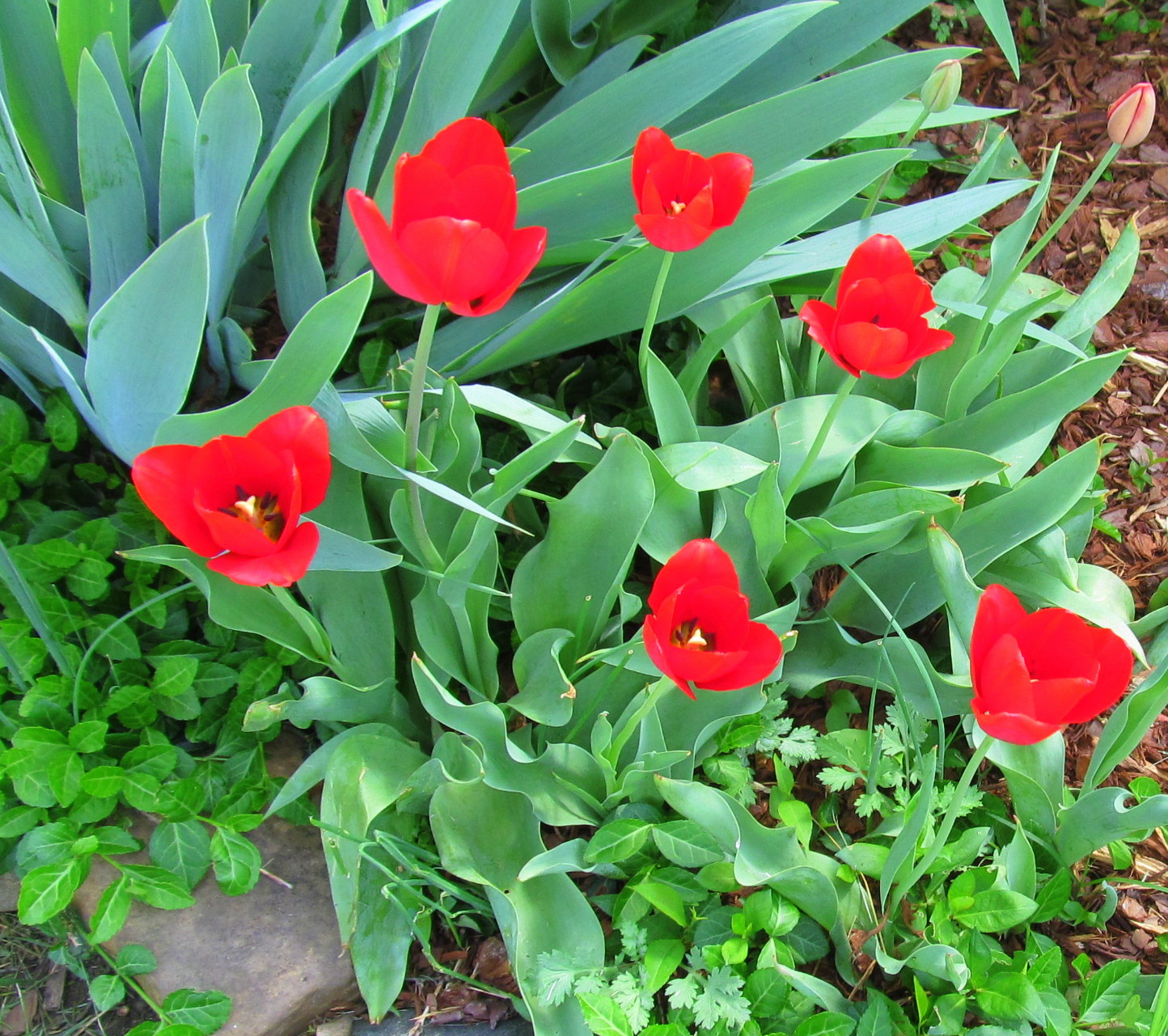
Admired the Dogwoods

Wrote some articles for the local newspaper

I found you can't mow grass

in a swamp!

Learned about docking sheep

Found the Easter Bunny

Spent some time with some friends

both old and new

Hung out with my favorite politician Dr. Phil Roe

Took time to smell the flowers

Celebrated my Sister's birthday

And a surprise party for my brother Doran's 80th birthday

and another for my cousin's 90th.
She is in the green shirt and doesn't look a day over 39....
wouldn't you agree??
Enjoyed the beautiful mountains

Hung out with some more friends

and watched the changing colors of fall

All too soon Halloween was past, Thanksgiving too,
and it was Christmas

Now, as we begin a new year I wish each and every one of you a Happy and Prosperous New Year. Enjoy Life's Blessings!!!
That's it for today!!
Thursday, March 1, 2012
The Challenge Day 3
Well, It was a quiet day around here today but I did get some great news!! It looks like I am going to be a published writer. A local editor contacted me to ask if I would be interested in submitting a couple of my stories for publication and I jumped at the chance.
I thought I would submit them here first to see what you think. Please feel free to leave any comments you would care too.
When I think of my Grandmothers I think Aprons and Bonnets. They both wore them. The only time I remember my maternal Grandmother (Ma Swift) took off her apron was to go to bed or to go to church or when we had company. She didnt wear the full apron. She only wore a half apron which mean it tied around her waist and there was no top on it. I never remember the top of her dress being dirty though. She would make her own aprons. I suspect Ma Swift only wore the half aprons because it took only one chop sack to make an apron.
Now, before you ask chop sacks in those days were made from printed material and they held chopped up feed for the animals. After the feed was emptied she would wash up the sacks and use them to make some of our clothes.
One chop sack would make a blouse or a skirt or apron and two would make a dress. White chop sacks were used to make undergarments. She would save the scraps for her quilts.
Aprons were used for many things. When we would go to gather eggs she would gather the eggs in her apron. If we went to gather apples she would have an apron full of apples. If she went to the garden the ripe vegetables would be in her apron.
If she was stringing beans the ends and strings went in her apron before being dumped in a bucket for the hogs.
One of my favorite memories about her apron was the pocket. Her aprons always had a pocket on the outside and one on the inside. When her apron got dirty she would wear it inside out and she always had a pocket. That pocket held all of her valuables, her handkerchief, a bobby pin or two, maybe a safety pin, or a loose button. The inside pocket held another handkerchief with loose change tied into the corner. Her paper money was under her straw mattress.
Whenever I got into trouble and my mother was after me for something she would hold out her apron and say "Get under my apron tail" and then she would wrap me in her apron so I didn't get spanked.
My Granny Holloway always wore the full apron and she always wore a bonnet wherever she went. Her dresses were always long sleeved. She made all her bonnets too. I can remember her with a brown paper poke pattern and a pair of scissors cutting out a new bonnet from one of those chop sacks.
The best part about my grandmothers were they were very close friends. They spent a lot of time together and if one was picking blackberries or making apple butter or working in the garden you would find the other one there too.
They loved to make soap together. Even with an age difference of twenty years they were more like sisters than like in-laws.
And with that I will be back when I find my bonnet!
That's it for today!
I thought I would submit them here first to see what you think. Please feel free to leave any comments you would care too.
Aprons and Bonnets
When I think of my Grandmothers I think Aprons and Bonnets. They both wore them. The only time I remember my maternal Grandmother (Ma Swift) took off her apron was to go to bed or to go to church or when we had company. She didnt wear the full apron. She only wore a half apron which mean it tied around her waist and there was no top on it. I never remember the top of her dress being dirty though. She would make her own aprons. I suspect Ma Swift only wore the half aprons because it took only one chop sack to make an apron.
Now, before you ask chop sacks in those days were made from printed material and they held chopped up feed for the animals. After the feed was emptied she would wash up the sacks and use them to make some of our clothes.
One chop sack would make a blouse or a skirt or apron and two would make a dress. White chop sacks were used to make undergarments. She would save the scraps for her quilts.
Aprons were used for many things. When we would go to gather eggs she would gather the eggs in her apron. If we went to gather apples she would have an apron full of apples. If she went to the garden the ripe vegetables would be in her apron.
If she was stringing beans the ends and strings went in her apron before being dumped in a bucket for the hogs.
One of my favorite memories about her apron was the pocket. Her aprons always had a pocket on the outside and one on the inside. When her apron got dirty she would wear it inside out and she always had a pocket. That pocket held all of her valuables, her handkerchief, a bobby pin or two, maybe a safety pin, or a loose button. The inside pocket held another handkerchief with loose change tied into the corner. Her paper money was under her straw mattress.
Whenever I got into trouble and my mother was after me for something she would hold out her apron and say "Get under my apron tail" and then she would wrap me in her apron so I didn't get spanked.
My Granny Holloway always wore the full apron and she always wore a bonnet wherever she went. Her dresses were always long sleeved. She made all her bonnets too. I can remember her with a brown paper poke pattern and a pair of scissors cutting out a new bonnet from one of those chop sacks.
The best part about my grandmothers were they were very close friends. They spent a lot of time together and if one was picking blackberries or making apple butter or working in the garden you would find the other one there too.
They loved to make soap together. Even with an age difference of twenty years they were more like sisters than like in-laws.
And with that I will be back when I find my bonnet!
That's it for today!
Wednesday, February 29, 2012
The Challenge -- Day 2
Well, I woke up to pouring rain today. It did clear off for awhile but then we had tornado warnings, wind, rain and hail which has continued all evening. It is hard to get any "git up and go" when it is pouring down the rain. I just want to jump in the bed cover up my head and stay there until it is all over. Unfortunately that didn't happen today. I stayed busy but I didn't see anything in particular I did.
On a sad note tonight I lost a very dear friend who passed away early this morning. Rest in peace Kevin Sulllivan...You will truly be missed by our RVing Family. Condolences to Arlene, the children, grandchildren and many many friends across the USA.
With a very very sad heart "That's it for today".
On a sad note tonight I lost a very dear friend who passed away early this morning. Rest in peace Kevin Sulllivan...You will truly be missed by our RVing Family. Condolences to Arlene, the children, grandchildren and many many friends across the USA.
With a very very sad heart "That's it for today".
Tuesday, February 28, 2012
The Challenge---- Day 1
Well, the challenge is on -- It was decided at the writing club today we should write or at least try to write "something" each day and share it with the class next meeting.....sometimes all it takes is that little nudge to get started or in my case get me away from facebook, twitter, blogs, games, chats and such goings on and make myself write.... I realize I am out of the habit of writing and it takes 21 days to change a habit so this is day 1 of 21. we will see how I do.
That's it for today
That's it for today
Friday, February 17, 2012
A Great Day!
Well, there's not a lot of news from around here. You know there isn't much going on when you only travel between the recliner, the computer desk and the dinner table with the occasional visit to the doctor.
As usual, the doctor sends you for umpteen blood tests and numerous office calls before he can rewrite your medication you've been taking all along......and then.....he has the nurse call to give you the bad news ------you need one more office visit to discuss the results of his latest findings. Of course, you don't get that call until after the office has closed so you fume and fret overnight about the dire results of said tests. As you lay awake at 4 AM staring at the ceiling your imagination runs wild. You have a lot of strange, exciting and surprising thoughts. Will I even be able to make it out of the bed to go to the doctor? Do I have enough insurance to cover all the doctor visits? What will happen if he gives me really bad news? Do I need a psychatrist?
So after a sleepless night, you drag your tired and weary body out of bed with no coffee or breakfast and shuffle off to the doctor's office. The nurse greets you with a smile and a great big "Hello, and how are we feeling today? Then the doctor says "What's ailin' you? What kind of symptoms do you have?" I don't know Doc, you tell me.
"According to the tests we have run, the mice in the laboratory indicate you have too much sugar, your thyroid has quit working, your cholesterol is out of whack, you pee when you don't need to, and the neighbors tell me you are having severe bouts of gas.
Here are six prescriptions be sure to have them filled at the Stickittoyou Pharmacy. I will know if you don't when I receive my cut next month. Oh and, by the way, be sure to watch your diet...no pasta, no potatoes, no sugar, no milk products, no carbs, ......and keep an eye on your weight."
"But Doc, I have been watching it", you say, "I've got it right out here in front of me where I can watch it".
So, it's off to the pharmacy for drugs and the grocery for rabbit food and back to my recliner----
I am still green side up -- it has been a great day!!!!!
That's it for today!
As usual, the doctor sends you for umpteen blood tests and numerous office calls before he can rewrite your medication you've been taking all along......and then.....he has the nurse call to give you the bad news ------you need one more office visit to discuss the results of his latest findings. Of course, you don't get that call until after the office has closed so you fume and fret overnight about the dire results of said tests. As you lay awake at 4 AM staring at the ceiling your imagination runs wild. You have a lot of strange, exciting and surprising thoughts. Will I even be able to make it out of the bed to go to the doctor? Do I have enough insurance to cover all the doctor visits? What will happen if he gives me really bad news? Do I need a psychatrist?
So after a sleepless night, you drag your tired and weary body out of bed with no coffee or breakfast and shuffle off to the doctor's office. The nurse greets you with a smile and a great big "Hello, and how are we feeling today? Then the doctor says "What's ailin' you? What kind of symptoms do you have?" I don't know Doc, you tell me.
"According to the tests we have run, the mice in the laboratory indicate you have too much sugar, your thyroid has quit working, your cholesterol is out of whack, you pee when you don't need to, and the neighbors tell me you are having severe bouts of gas.
Here are six prescriptions be sure to have them filled at the Stickittoyou Pharmacy. I will know if you don't when I receive my cut next month. Oh and, by the way, be sure to watch your diet...no pasta, no potatoes, no sugar, no milk products, no carbs, ......and keep an eye on your weight."
"But Doc, I have been watching it", you say, "I've got it right out here in front of me where I can watch it".
So, it's off to the pharmacy for drugs and the grocery for rabbit food and back to my recliner----
I am still green side up -- it has been a great day!!!!!
That's it for today!
Wednesday, February 15, 2012
Which Winter
Well, after the mild winter we have had spring seems a little ahead of itself this year. Maybe it is due to global warming or the fact the earth got knocked off his axis by a couple of degrees.
 In the springtime here in the northeastern corner of Tennessee we see a lot of different changes in the weather. Somedays it is warm and the ground begins to thaw, then it might be so hot you think summer is upon us. The next few days we might get a cold snap with rain, snow, sleet and lots of wind. The oldtimers predicted the changing of spring by the blooming trees and the different types of winters as they called them.
After the January thaw and the groundhog has seen his shadow the ground begins to thaw a little the winters begin.
Beginning with the first few warm days as the ground begin to thaw the serviceberry (Sarvisberry) trees would be the first to bloom. This would be called Sarvis Winter and to the old timers, meant the return of the circuit riding preacher. After the long long winter the ground would be thawed enough to have funerals and bury the dead. The snow white blooms of the serviceberry trees would be used to honor the dead at the "church sarvices" Thus the name Sarvis Winter.
If there was a cold snap when the Locust trees were in bloom it would be called Locust Winter. It usually isn't very long or cold.
For example it could be snowing in the morning and record breaking temperatures by afternoon.
The next tree to bloom was the redbud. If the weather turns cold while the redbuds are in bloom it is called Redbud Winter.
Only the hardiest crops would be planted before this cold spell.
Dogwood Winter comes after a few days of warm weather and brings several days of cold, weather and the possibility of a killing frost. Planting the tender crops should wait until after the Dogwood has bloomed. Oldtimers sometimes used the blooming of the Dogwood as a sign to plant their corn.
Blackberry Winter is probably the most widely know of the winters. The oldtimers knew that the blackberry canes needed a cold snap to set the buds, so the cold snap during the blackberry blooming was called Blackberry Winter. Blackberry Winter is normally not as harsh as some of the other winters. The soil is warmer and drier now so tender crops could be planted without much danger of being frostbitten.
Linsey-Woolsey Britches Winter is the winter only the oldtimers heard about. That was back in the day when they wore homespun clothing and it was when you could shed your "long johns" for cooler, lighter clothing.
Whiporwill Winter is the last little cold snap we get after the Whipporwill has migrated north from Mexico. Its that last surge of arctic air. It's not as cold and doesn't last long or do much as much damage as some of the other winters.
After a long hard winter and spring with all the cold snaps summer can't be that far away---or can it?
 That's it for today.

After the January thaw and the groundhog has seen his shadow the ground begins to thaw a little the winters begin.
Beginning with the first few warm days as the ground begin to thaw the serviceberry (Sarvisberry) trees would be the first to bloom. This would be called Sarvis Winter and to the old timers, meant the return of the circuit riding preacher. After the long long winter the ground would be thawed enough to have funerals and bury the dead. The snow white blooms of the serviceberry trees would be used to honor the dead at the "church sarvices" Thus the name Sarvis Winter.
If there was a cold snap when the Locust trees were in bloom it would be called Locust Winter. It usually isn't very long or cold.
For example it could be snowing in the morning and record breaking temperatures by afternoon.
The next tree to bloom was the redbud. If the weather turns cold while the redbuds are in bloom it is called Redbud Winter.
Only the hardiest crops would be planted before this cold spell.
Dogwood Winter comes after a few days of warm weather and brings several days of cold, weather and the possibility of a killing frost. Planting the tender crops should wait until after the Dogwood has bloomed. Oldtimers sometimes used the blooming of the Dogwood as a sign to plant their corn.
Blackberry Winter is probably the most widely know of the winters. The oldtimers knew that the blackberry canes needed a cold snap to set the buds, so the cold snap during the blackberry blooming was called Blackberry Winter. Blackberry Winter is normally not as harsh as some of the other winters. The soil is warmer and drier now so tender crops could be planted without much danger of being frostbitten.
Linsey-Woolsey Britches Winter is the winter only the oldtimers heard about. That was back in the day when they wore homespun clothing and it was when you could shed your "long johns" for cooler, lighter clothing.
Whiporwill Winter is the last little cold snap we get after the Whipporwill has migrated north from Mexico. Its that last surge of arctic air. It's not as cold and doesn't last long or do much as much damage as some of the other winters.
After a long hard winter and spring with all the cold snaps summer can't be that far away---or can it?

Subscribe to:
Posts (Atom)
Subscribe To


 Posts
All Comments
Posts
All Comments